
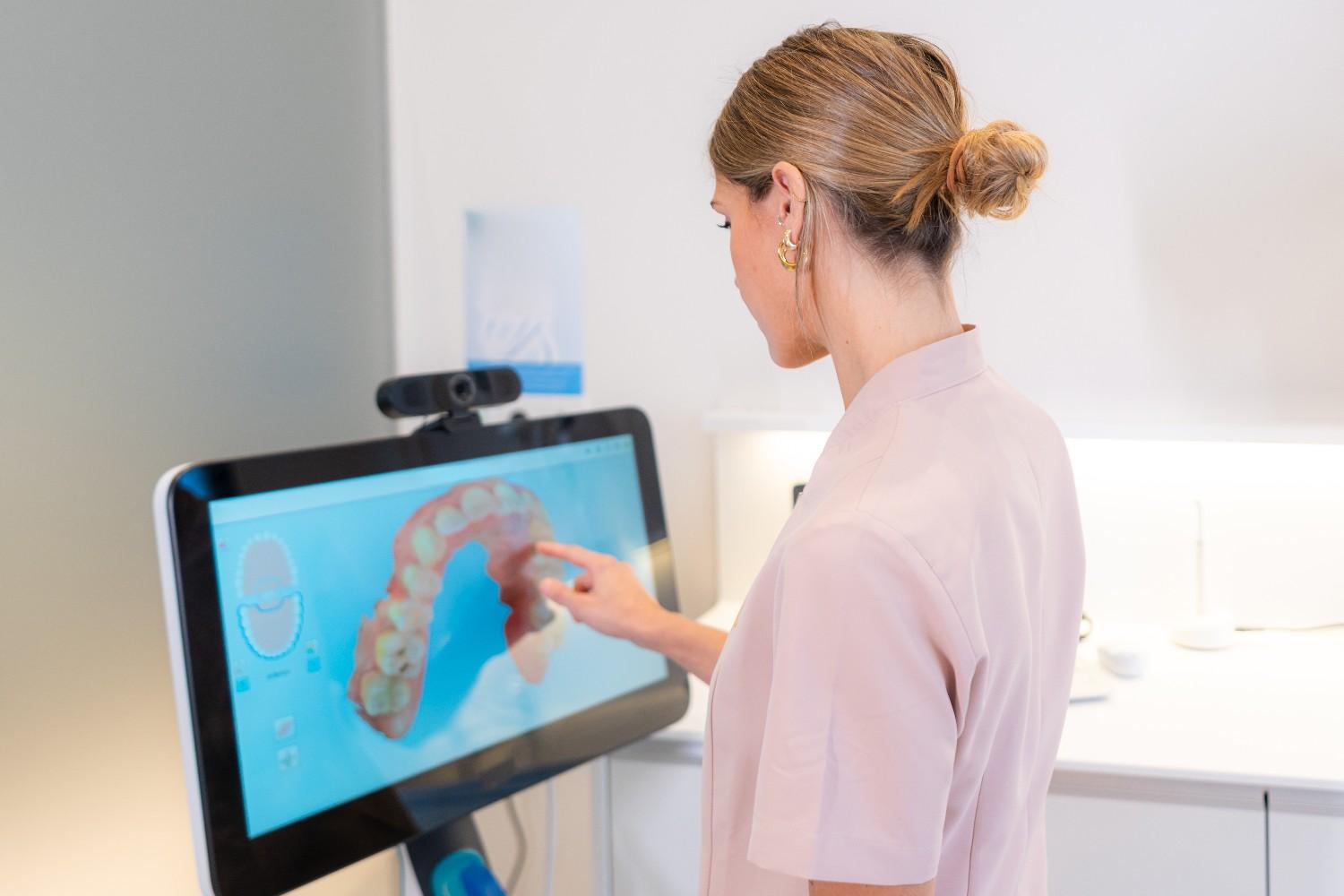
After a professional dental cleaning, it’s common for some patients to experience tooth sensitivity. Whether it’s a result of plaque and tartar removal, the pressure of cleaning tools, or an overall more thorough cleaning than you do at home, tooth sensitivity is a temporary condition for most people. At Bayview Dental & Implant Centre, we understand how uncomfortable it can be, which is why we’re here to offer tips and solutions for managing tooth sensitivity after your cleaning.
In this blog, we’ll explain why tooth sensitivity occurs following a dental cleaning and provide tips to help alleviate any discomfort and maintain your oral health.
Why Does Tooth Sensitivity Happen After a Cleaning?
Tooth sensitivity after a cleaning is often due to the removal of plaque and tartar buildup from the surface of your teeth. These deposits can create a layer of protection, so when they are removed, the underlying tooth structure may be temporarily exposed. Additionally, the pressure from cleaning tools or the use of stronger cleaning agents can sometimes cause irritation to your gums or tooth enamel, leading to sensitivity.
Here are a few common reasons for sensitivity:
- Gum Recession: If your gums have receded due to gum disease or age, the roots of your teeth may become exposed, leading to increased sensitivity.
- Deep Cleaning: A more thorough cleaning, such as a scaling and root planing procedure for patients with gum disease, can leave teeth feeling more sensitive as they heal.
- Tooth Enamel: Plaque and tartar can sometimes shield worn enamel. Once these substances are removed, the thinner enamel underneath may be more sensitive.
Tips for Managing Tooth Sensitivity After a Hygienist Cleaning
While tooth sensitivity after a cleaning is usually temporary, there are several steps you can take to ease discomfort and help your teeth feel better faster:
- Use a Soft-Bristled Toothbrush
After a cleaning, switch to a soft-bristled toothbrush to avoid further irritation. Brushing with a soft brush will help prevent additional wear on your tooth enamel and gums. Be gentle when brushing to avoid aggravating any sensitive areas. - Choose a Toothpaste for Sensitive Teeth
Toothpaste formulated for sensitive teeth contains ingredients like potassium nitrate or strontium chloride, which help block pain signals from the nerve to the tooth. This type of toothpaste can help reduce discomfort and is widely available at your local pharmacy. - Avoid Hot or Cold Foods and Beverages
Immediately after your cleaning, try to avoid consuming hot or cold foods and beverages, as they can trigger sensitivity. Stick to lukewarm or room-temperature options to prevent discomfort while your teeth adjust. - Use Desensitizing Gel or Rinse
If your sensitivity persists, consider using a desensitizing gel or mouth rinse. These products are designed to protect the nerves inside your teeth and help reduce sensitivity over time. Your dentist in Qualicum Beach, BC can recommend the best products for your specific needs. - Apply Fluoride
Fluoride is a great way to strengthen the enamel of your teeth and reduce sensitivity. Some toothpaste brands contain fluoride, or you can ask your dentist about fluoride treatments during your regular visits. Applying fluoride helps to remineralize your teeth and relieve sensitivity. - Avoid Acidic Foods
For a few days after your cleaning, avoid acidic foods and drinks, such as citrus fruits, vinegar, and carbonated beverages. These foods can irritate sensitive teeth and further exacerbate discomfort. - Gentle Brushing and Flossing
Although you should continue brushing and flossing after your cleaning, be sure to do so gently. Rough brushing can irritate already-sensitive areas, so take extra care to avoid excess pressure on your teeth and gums. - Warm Salt Water Rinse
A warm salt water rinse can help soothe your gums if they are inflamed or irritated from the cleaning. Salt water has natural healing properties that can reduce swelling and provide relief for sensitive gums. - Give Your Teeth Time to Adjust
In most cases, any sensitivity you experience after a cleaning will fade on its own after a few days. Continue following your regular oral care routine, and allow your teeth time to adjust to the change in their cleanliness. - Follow Up with Your Dentist if Sensitivity Persists
If your tooth sensitivity doesn’t improve after a few days or if it worsens, contact your dentist in Qualicum Beach, BC. In rare cases, persistent sensitivity may be a sign of an underlying issue, such as tooth decay, gum disease, or a cracked tooth, which may require further treatment.
Local Patient Review
“After my cleaning at Bayview Dental & Implant Centre, I had some sensitivity, but the team gave me great advice on how to manage it. The desensitizing toothpaste they recommended really helped, and my teeth feel great now. I appreciate how thorough and caring the staff is!”
FAQs About Tooth Sensitivity After a Cleaning
How long does tooth sensitivity last after a cleaning?
Tooth sensitivity after a cleaning is typically temporary and should subside within a few days. If it persists or worsens, it’s important to consult with your dentist.
Can I still brush my teeth if they’re sensitive after a cleaning?
Yes, you should continue brushing, but use a soft-bristled toothbrush and be gentle. Avoid using toothpaste with whitening agents or abrasive particles, as these can irritate sensitive areas.
Can I use mouthwash if my teeth are sensitive after a cleaning?
You can use mouthwash, but opt for one that’s alcohol-free and formulated for sensitive teeth. Some mouthwashes contain fluoride, which can help with sensitivity.
Should I avoid going to the dentist because of sensitivity?
No, if you experience persistent sensitivity, it’s important to follow up with your dentist. Sensitivity can be an indication of an underlying problem, such as tooth decay, that needs attention.
Your Next Step to Comfort and Healthy Smiles
At Bayview Dental & Implant Centre, we are dedicated to helping you maintain a healthy, comfortable smile. If you experience tooth sensitivity after a cleaning or have concerns about your dental health, don’t hesitate to reach out to us. Our team is here to ensure that your visits are as comfortable and beneficial as possible. Contact us today to schedule your next dental appointment!