
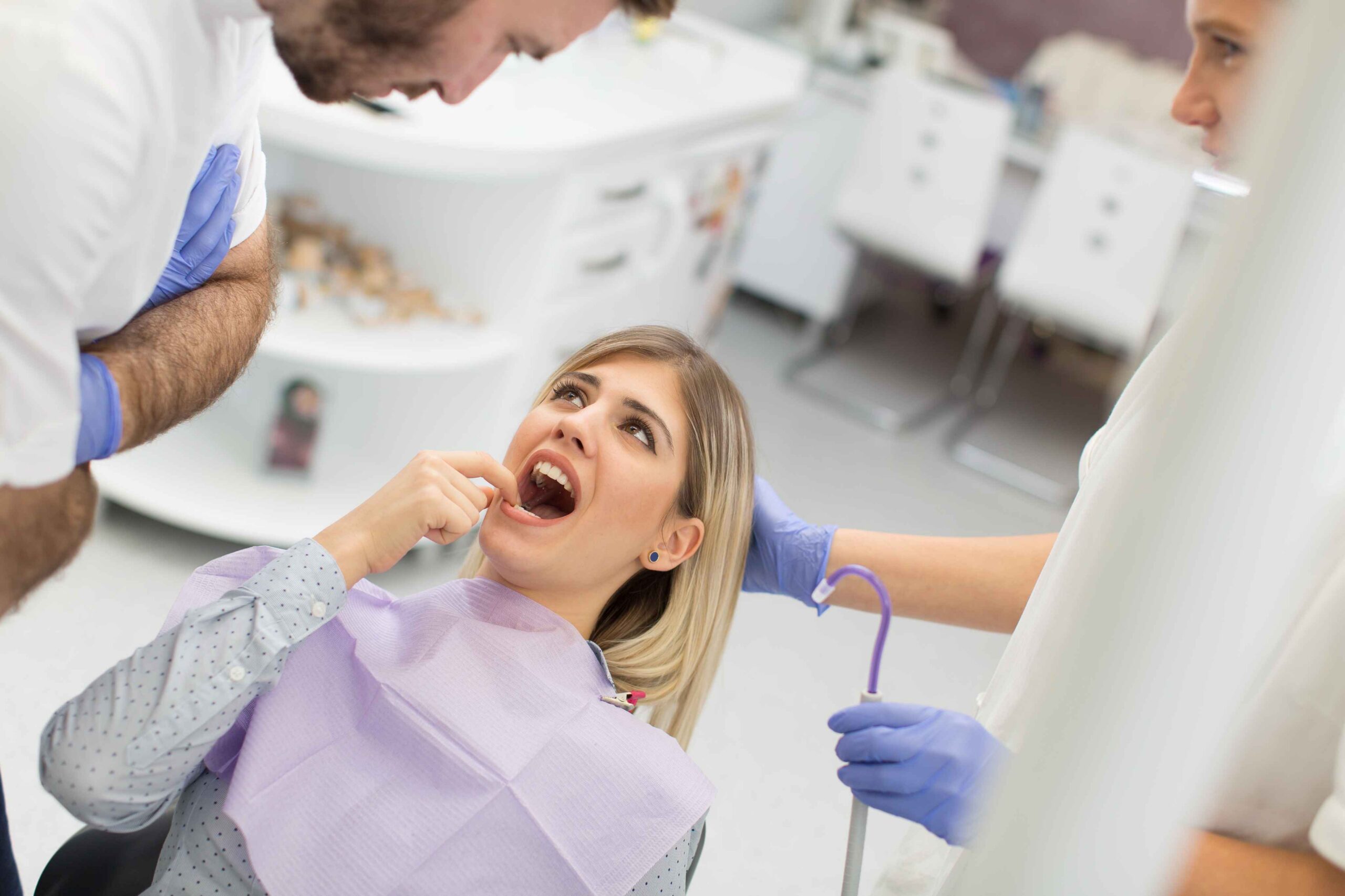
Dental implants in Parksville, BC may be considered for patients missing one tooth, several teeth, or teeth that cannot be predictably restored. Implants are designed to replace tooth roots and support crowns, bridges, or dentures, depending on the case. Parksville patients usually need an exam, gum health review, bone evaluation, bite check, and treatment discussion before knowing if implants are suitable. The right plan depends on oral health, healing, medical history, daily care, and long-term maintenance.
Missing teeth can change the way a person eats, speaks, and feels about their smile. A patient in Parksville may avoid chewing on one side, notice food collecting near a gap, or feel that nearby teeth have started to shift. Someone else may have a loose denture, a broken tooth, or a tooth that has already been removed.
A dental implants in Parksville, BC consultation can help patients understand whether implants may be a suitable replacement option. The visit is not only about filling a space. It is about reviewing gum health, bone support, bite pressure, oral hygiene, and the condition of nearby teeth. For patients in Parksville and nearby Qualicum Beach, clear planning helps make tooth replacement feel less confusing and more connected to long-term oral health.
Why Missing Teeth Should Be Reviewed Early
A missing tooth leaves an open space, but the effects may go beyond the gap. Nearby teeth may tilt, the opposing tooth may move, and chewing pressure may shift. These changes can make the bite feel uneven over time.
Some patients notice changes quickly. Others adjust without realizing they are chewing differently. A dental exam can help show whether the missing tooth is affecting the rest of the mouth.
Early review does not always mean treatment must happen right away. It helps patients understand what has changed, what may continue to change, and which replacement options may fit their needs.
How Dental Implants Work Beneath the Gumline
A dental implant is placed in the jawbone where the tooth root is used to be. After healing, it can support a crown & bridge, or denture. The visible tooth replacement is attached after the implant area is ready.
This root-like support is one reason implants may feel stable for many patients. Unlike some options, an implant does not rely on neighboring teeth in the same way as a traditional bridge.
Still, not every patient is ready for implant treatment. The dentist may need to check bone levels, gum health, healing risk, medical history, smoking habits, grinding, and daily cleaning habits before recommending dental implants in Parksville, BC.
Implants Compared with Other Replacement Options
Dental implants are one option, but they are not the only option. Patients may also discuss bridges, partial dentures, full dentures, or implant-supported dentures.
A bridge may be considered when teeth beside space can support it. A partial denture may replace several missing teeth and can be removed for cleaning. A full denture may replace a complete arch of teeth.
The best choice depends on the number of missing teeth, nearby tooth health, gum condition, bone support, comfort goals, and maintenance needs. A useful consultation should explain the difference between options, not push one answer for every patient.
Gum Health Can Affect Implant Planning
Healthy gums help support both natural teeth and implant-supported teeth. Bleeding, swelling, deep gum pockets, bad breath, or gum recession may need attention before implant treatment is considered.
The dentist may check gum tissue and bone support during the exam. If periodontal disease is active, it may need to be managed first. This can help create a healthier foundation for future care.
At Bayview Dental & Implant Centre, gum findings may be reviewed as part of implant planning because long-term support depends on more than the implant itself. Cleaning habits, follow-up visits, and tissue health all play a role.
Bone Support Helps Shape the Treatment Path
After a tooth is removed, the bone in that area can change. Some patients have enough bones for an implant. Others may need more evaluation before knowing what is possible.
The dentist may recommend X-rays or imaging to review bone height, width, and nearby structures. This helps show whether an implant can be planned safely.
Patients who have been missing teeth for years may still have options, but the plan may involve more steps. A consultation can explain whether dental implant treatment looks simply, staged, or whether another tooth replacement option may be more suitable.
Chewing, Speech, and Daily Comfort Matter
Missing teeth can affect everyday habits. Some foods may become harder to chew. Patients may cut food smaller, avoid crunchy items, or chew mostly on one side.
Front tooth gaps may also affect speech or the way the lips support the smile. Back tooth gaps may be less visible but can still affect bite balance and chewing comfort.
A tooth replacement plan should consider these daily details. Dental implants in Parksville, BC may be discussed when the goal is stable support, but suitability depends on the exam.
Cosmetic Planning May Be Part of the Conversation
Tooth replacement and smile appearance often overlap. A missing front tooth may affect confidence. A back tooth may matter more for chewing. Some patients want both function and a natural-looking result.
If a patient is also thinking about veneers in Parksville, BC, the dentist may explain how veneers and implants serve different purposes. Veneers change the visible front surface of existing teeth, while implants replace missing tooth roots.
A patient interested in teeth whitening Qualicum Beach, BC should also discuss timing before visible crowns or implant restorations are matched. Natural teeth may whiten, but implant crowns and other restorations do not change colour the same way.
What to Expect During an Implant Consultation
Before the visit, patients should think about when the tooth was lost, whether there was infection or injury, and what problems the gap is causing. It also helps to mention health conditions, medications, smoking, grinding, or past gum treatment.
During the appointment, the dentist may examine the teeth, gums, bites, jawbone, and existing dental work. X-rays or imaging may be recommended. The dentist may also check whether any teeth need treatment before replacement planning.
After the exam, patients should understand whether implants may be possible, what steps may be involved, and whether other options should be compared. No patient should assume they are a candidate without evaluation.
How Implant Care Continues After Treatment
Implants need ongoing care. They cannot get cavities, but the gums and bones around them still need to stay healthy. Plaques can collect implant-supported teeth and affect the surrounding tissue.
Patients should brush carefully, clean between teeth, and attend dental checkups. The dentist may monitor the implant, bite pressure, gum tissue, and restoration over time.
Grinding or clenching may also affect implant-supported teeth. If bite pressure is a concern, the dentist may discuss ways to help protect the restoration.
Benefits Patients May Notice with Stable Replacement
For suitable patients, implant-supported teeth may help with daily function. The exact benefits depend on the number of missing teeth, the restoration type, and the patient’s oral health.
Patients may notice:
- More stable chewing
- Better support for nearby teeth
- Improved bite balance
- Less movement than some removable options
- A replacement that does not rely on adjacent teeth the same way as some bridges
- A clearer long-term plan for missing teeth
These benefits are not guaranteed for every patient. Healing, hygiene, gum health, bite forces, and regular maintenance all affect the result.
Local Patient Review
“I wanted to understand my options before replacing my missing tooth. The visit helped me see why gums, bone, and bite pressure mattered before choosing treatment.”
Planning Tooth Replacement with Clear Guidance
Replacing missing teeth should be based on function, comfort, appearance, and long-term care. Patients in Parksville and Qualicum Beach can visit Bayview Dental & Implant Centre to discuss whether implants or another replacement option may fit their oral health needs.
Frequently Asked Questions
Who may be a candidate for dental implants in Parksville, BC?
A patient may be a candidate if they have enough bone support, healthy gums, and overall health that supports healing. A dentist must evaluate the mouth first.
Can implants replace one missing tooth?
Yes, an implant may replace one missing tooth when the area is suitable. The dentist will check bone, gums, bite pressure, and nearby teeth before planning.
Are implants always better than dentures?
Not always. Dentures, bridges, and implants each have different uses. The best option depends on oral health, comfort needs, missing teeth, and maintenance goals.
Can I get implants if I have gum disease?
Active gum disease may need treatment before implant planning. Healthy gums and steady home care are important for long-term implant support.
How do veneers in Parksville, BC differ from implants?
Veneers are placed on existing teeth to change appearance. Implants replace missing tooth roots and support a replacement tooth or larger restoration.
Should whitening happen before implant crowns?
If visible natural teeth are being whitened, timing should be discussed before final crown shade selection. teeth whitening Qualicum Beach, BC does not change implant crowns.
How long does implant treatment take?
Timing varies based on healing, bone support, extractions, gum health, and restoration type. Your dentist can explain the likely stages after evaluation.
How do I care for implant-supported teeth?
Brush, clean between teeth, and keep dental checkups. The dentist may also monitor gum health, bite pressure, and stability of restoration.