
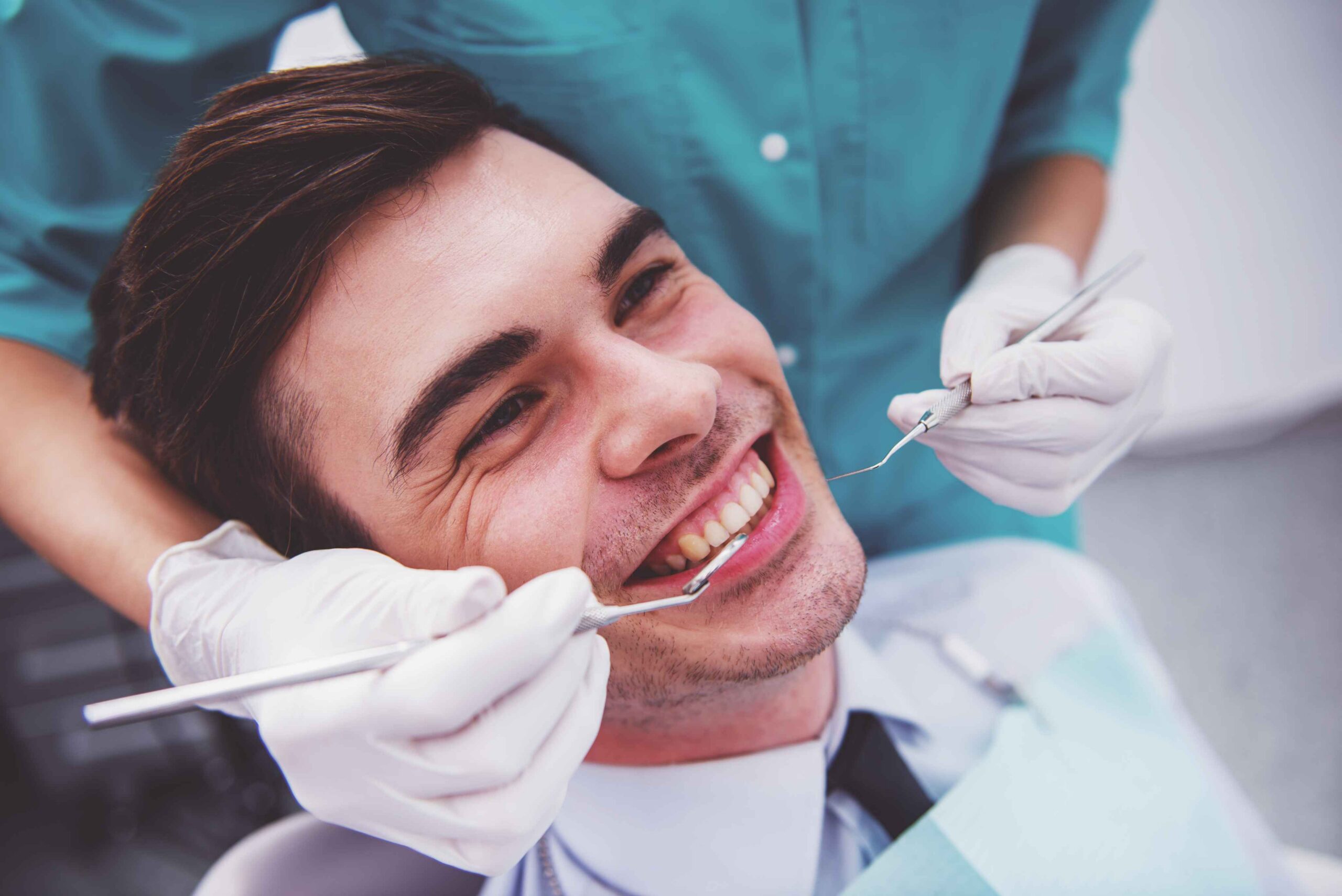
A dentist in Parksville, BC may help patients with dental exams, cleanings, cavity checks, gum health, tooth pain diagnosis, restorations, missing tooth options, and prevention planning. Patients in Parksville may visit for routine care, sensitivity, bleeding gums, broken fillings, bite changes, or implant questions. A dental visit can help explain what is healthy, what needs monitoring, and what treatment may be recommended after a full evaluation.
A dental visit can feel more useful when patients know what to ask. Some people in Parksville, BC come in for a cleaning and realize they also want to talk about sensitivity. Others may have an old filling, a missing tooth, bleeding gums, or a bite that feels slightly different. These concerns may seem separate, but they often connect through the overall health of the mouth.
A dentist in Parksville, BC can help patients understand what is happening with their teeth, gums, bite, and existing dental work. The visit is not only about fixing a single problem. It may include prevention, early diagnosis, restorative planning, or guidance around future care. Asking clear questions can help patients leave with a better understanding of what needs attention now, what can be monitored, and what habits may support long-term oral health.
Ask What the Exam Is Looking For
A dental exam looks at more than whether a tooth hurts. The dentist may check cavities, gum health, bite, oral tissues, jaw movement, tooth wear, and older dental work.
Patients can ask what areas were checked and whether anything has changed since the last visit. This helps turn the appointment into a clearer conversation. If the dentist notices gum inflammation, enamel wear, or a small cavity, the patient can understand the finding before treatment is discussed.
Knowing what the exam is looking for can make routine care feel more practical and less confusing.
Ask About Gum Health, Not Only Teeth
Gums and bones support the teeth. Bleeding, swelling, gum recession, bad breath, tenderness, or loose teeth may point to inflammation or periodontal concerns.
A dental visit may include gum measurements and a check for plaque or tartar buildup under the gumline. Patients should ask whether their gums look stable and whether they need a different cleaning schedule.
At Bayview Dental & Implant Centre, gum health may be reviewed as part of preventive and restorative care, especially when patients are considering implants, crowns, or treatment for tooth sensitivity.
Ask Why a Cleaning Schedule Is Recommended
Many patients are used to visiting the dentist every six months, but not everyone needs the same schedule. Some patients may benefit from more frequent cleanings because of gum disease, tartar buildup, dry mouth, crowded teeth, or medical factors.
Professional cleanings remove plaque and tartar that brushes cannot fully remove. They also help the dental team spot areas that are difficult to clean at home.
Patients should ask what cleaning interval fits their oral health and why. A personalized schedule can help support gums, teeth, and restorations.
Ask About Tooth Sensitivity Before It Gets Worse
Sensitivity can happen for many reasons. It may be linked to gum recession, enamel wear, cavities, cracked teeth, whitening products, grinding, or exposed root surfaces.
The pattern matters. Does the tooth hurt with cold, heat, sweets, brushing, or chewing? Does the sensation disappear quickly or linger? Does one tooth feel different from the rest?
A dentist can test the area and recommend care based on the cause. Sensitivity should not be ignored if it is new, worsening, or focused on one tooth.
Ask Whether Old Fillings and Crowns Are Still Stable
Fillings, crowns, bridges, and bonding need regular review. They can wear, crack, loosen, or develop decay around the edges. A patient may not feel pain right away, even when a restoration is starting to fail.
The dentist may check the margins, bite contacts, tooth structure, and surrounding gums. X-rays may be recommended when decay or root issues cannot be seen directly.
Patients should ask whether older dental work is being held up and whether any areas need monitoring. This can help prevent sudden breaks or urgent discomfort.
Ask About Missing Teeth Before the Bite Changes More
A missing tooth can affect chewing, spacing, and bite balance. Nearby teeth may tilt into the gap, and the opposing tooth may move because it no longer has a partner during chewing.
Patients interested in dental implants in Parksville, BC should ask how missing tooth location, gum health, bone support, and bite forces affect replacement options. Implants may be one choice for suitable patients, but bridges or removable options may also be discussed.
The earlier a missing tooth is evaluated, the easier it may be to understand the available options.
Ask How Parksville and Nearby Care Needs Compare
Patients who are searching for a dentist in Qualicum Beach, BC may have similar concerns to Parksville patients. They may need cleanings, gum checks, tooth pain diagnosis, crown evaluations, or missing tooth guidance.
Local access matters because dental care works best when visits are consistent. Regular records help the dentist compare X-rays, gum measurements, restorations, and symptoms over time.
Whether a patient lives in Parksville or nearby, the goal is to keep care organized and based on dental findings.
Ask What Can Be Monitored and What Needs Treatment
Not every dental concern requires immediate treatment. Some small areas may be seen. Others may need to care sooner to avoid deeper damage.
Patients should ask why treatment is recommended and what may happen if the concern is monitored instead. This can help them understand urgency without feeling pressured.
A clear explanation may include the size of a cavity, the depth of a crack, gum measurements, symptoms, or changes since the last visit. Decision-making is easier when the reason is specific.
Ask What Home Care Should Change
Small changes at home can make a large difference. A patient may need help cleaning around crowded teeth, crowns, dental bridges, implants, or gum recession.
The dental team may recommend floss threaders, interdental brushes, fluoride products, electric toothbrush techniques, or changes in snacking habits. The right advice depends on the patient’s mouth.
Home care should not be generic. Patients should ask which areas need more attention and why.
What a Dental Visit May Include
A Parksville dental visit may include:
- Medical history review
- Dental exam
- Gum health check
- Oral tissue screening
- Cavity detection
- Cleaning when appropriate
- X-rays when needed
- Bite evaluation
- Restoration checks
- Tooth pain diagnosis
- Missing tooth discussion
- Home care guidance
- Treatment planning
- The exact steps depend on the patient’s symptoms, history, and goals.
What to Expect Before, During, and After the Appointment
Before the visit, patients should share medical conditions, medications, allergies, dental anxiety, and current symptoms. It helps to mention sensitivity, pain, gum bleeding, dry mouth, broken teeth, or changes in chewing.
During the appointment, the dental team may examine the teeth, gums, bites, oral tissues, and existing dental work. Cleaning may be completed if scheduled. X-rays may be taken when needed.
After the visit, patients should understand what is healthy, what needs monitoring, and what treatment may be recommended. Clear next steps make dental care easier to follow.
Why Asking Questions Helps
Good questions help patients understand their care. They may learn why a tooth is sensitive, why a filling needs replacement, or why gum measurements matter.
Questions may also help patients compare options. A missing tooth may lead to a discussion about implants, bridges, or dentures. A cracked tooth may lead to a filling, crown, root canal evaluation, or monitoring depending on the diagnosis.
The more clearly patients understand findings, the easier it is to make informed decisions.
Local Patient Review
“I came in for cleaning but had questions about sensitivity and an older crown. The visit helped me understand what was fine, what needed watching, and what could be done next.”
Better Questions Can Lead to Clearer Dental Care
Dental visits are more helpful when patients understand what is being checked and why it matters. Parksville patients can visit Bayview Dental & Implant Centre to discuss cleaning, gum health, tooth pain, restorations, missing teeth, and practical next steps for long-term oral health.
Frequently Asked Questions
What does a dentist in Parksville, BC check during a visit?
A dentist may check teeth, gums, bite, restorations, oral tissues, cavities, tooth wear, and signs of infection or inflammation.
How often should I have dental cleaning?
Many patients benefit from cleanings about every six months, but some need a different schedule based on gum health, tartar buildup, or risk.
Should I ask about bleeding gum?
Yes, bleeding gums may be linked to plaque, gum inflammation, brushing technique, medication, or gum disease. They should be evaluated.
Can a dentist check if an old filling is failing?
Yes, fillings and crowns can be checked for cracks, wear, looseness, leakage, and decay around the edges.
When should tooth sensitivity be checked?
Sensitivity should be checked if it is new, worsening, lingering, focused on one tooth, or triggered by chewing.
Can a regular visit include implant questions?
Yes, patients can ask about missing teeth and implant suitability. The dentist may review gums, bone support, bite, and health history.
Are X-rays needed at every appointment?
Not always. X-rays are recommended based on symptoms, risk, dental history, and what the dentist needs to evaluate.
What should I tell the dentist before treatment?
Share medications, allergies, medical conditions, dental anxiety, symptoms, and any changes in chewing, pain, or gum health.